

Barrett Donovan Is Keeping Water in Rivers
What a water trust actually does, and why it matters more than ever right now.


Barrett Donovan has one of those jobs that sounds incredible but slightly hard to picture until she walks you through it, and then it clicks into place. She grew up drawn to the environment and the people in it, studied environmental science at Colorado College, landed at the High Mountain Institute right out of college thinking she might want to teach, and then spent seven years there realizing that what she actually loved was connecting people to wild places, not writing lesson plans. When a job opened at Colorado Water Trust, it was the stars aligning.
“I felt really excited and drawn to learning more about water and to the challenge of communicating about water with people,” she told me. “It can be so sticky, it can be so complicated, and so the creative challenge is like, how do we communicate about water in a way that makes sense, that’s not scary, that’s not overwhelming?”
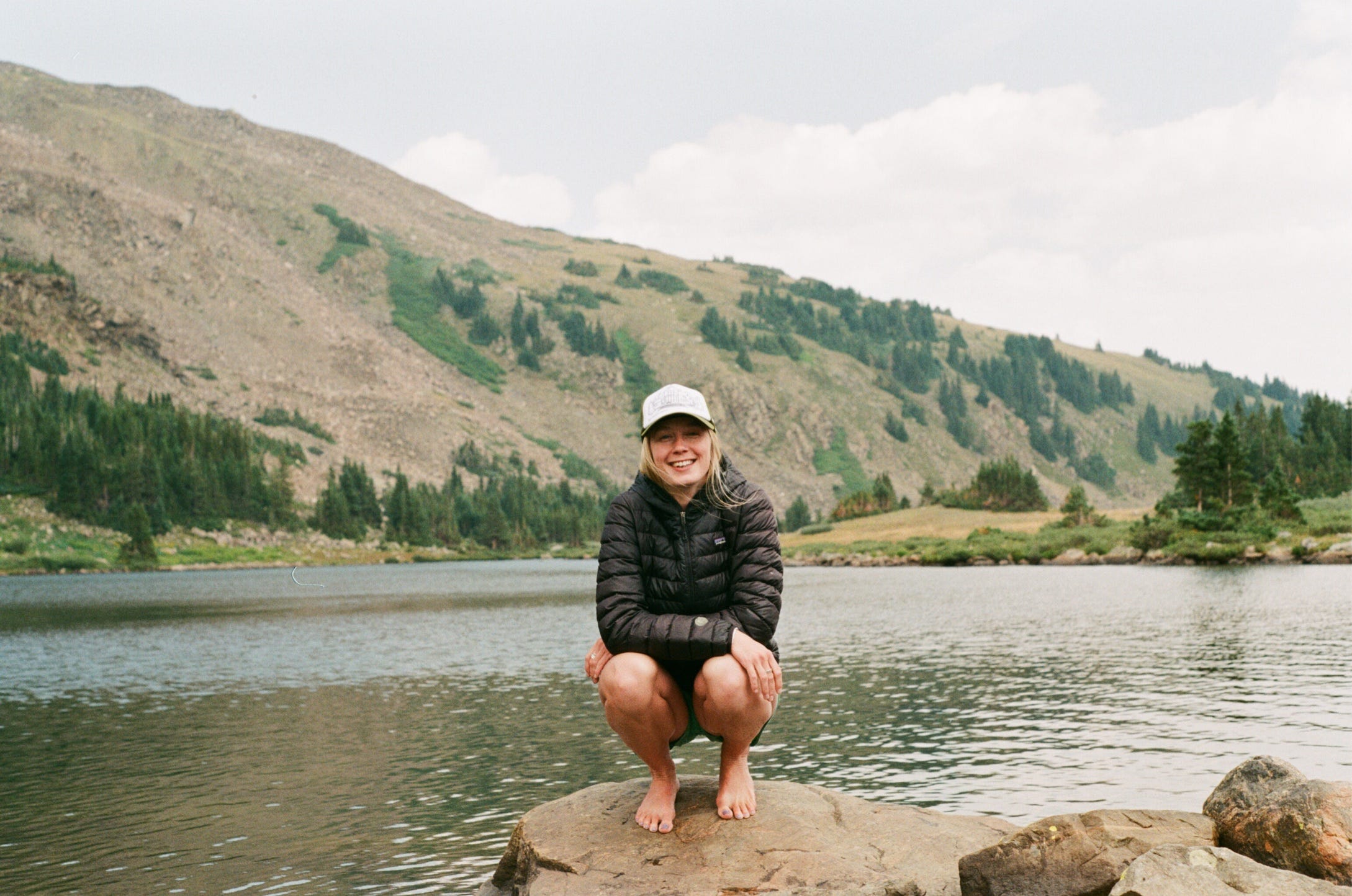
Colorado Water Trust is the only water trust in the entire state, and one of only a handful in the West. The simplest way Barrett describes it: think of it like a land trust, but for water rights, and super flexible. In Colorado, water law has historically operated on a “use it or lose it” principle, meaning if you weren’t actively pulling water out of a river for agriculture, industry, or municipal use, you risked losing your right to it. Leaving water in a stream? That was considered wasteful. It wasn’t until the 1970s that in-stream flow was legally recognized as a valid use of water at all. That shift is essentially where the Water Trust’s work lives: helping people who hold water rights choose to use them for the benefit of the river.
This is where it gets interesting. Colorado Water Trust never cold-calls ranchers or farmers. They don’t show up uninvited with clipboards asking to look at anyone’s water rights. Water rights are sensitive, often tied to multigenerational family land, and genuinely expensive. So instead, the Water Trust does broad community outreach, makes sure people know who they are and what they do, and waits for landowners to come to them. I personally admire this strategy so much.
“From the get-go, the people we’re working with are coming to us,” Barrett said. “And then it’s really just listening. Especially with producers and ranchers who have been in Colorado for a really long time, coming in and hearing how they’ve managed their water, what they’re looking to do with it, and really bringing that into our plans with them.”
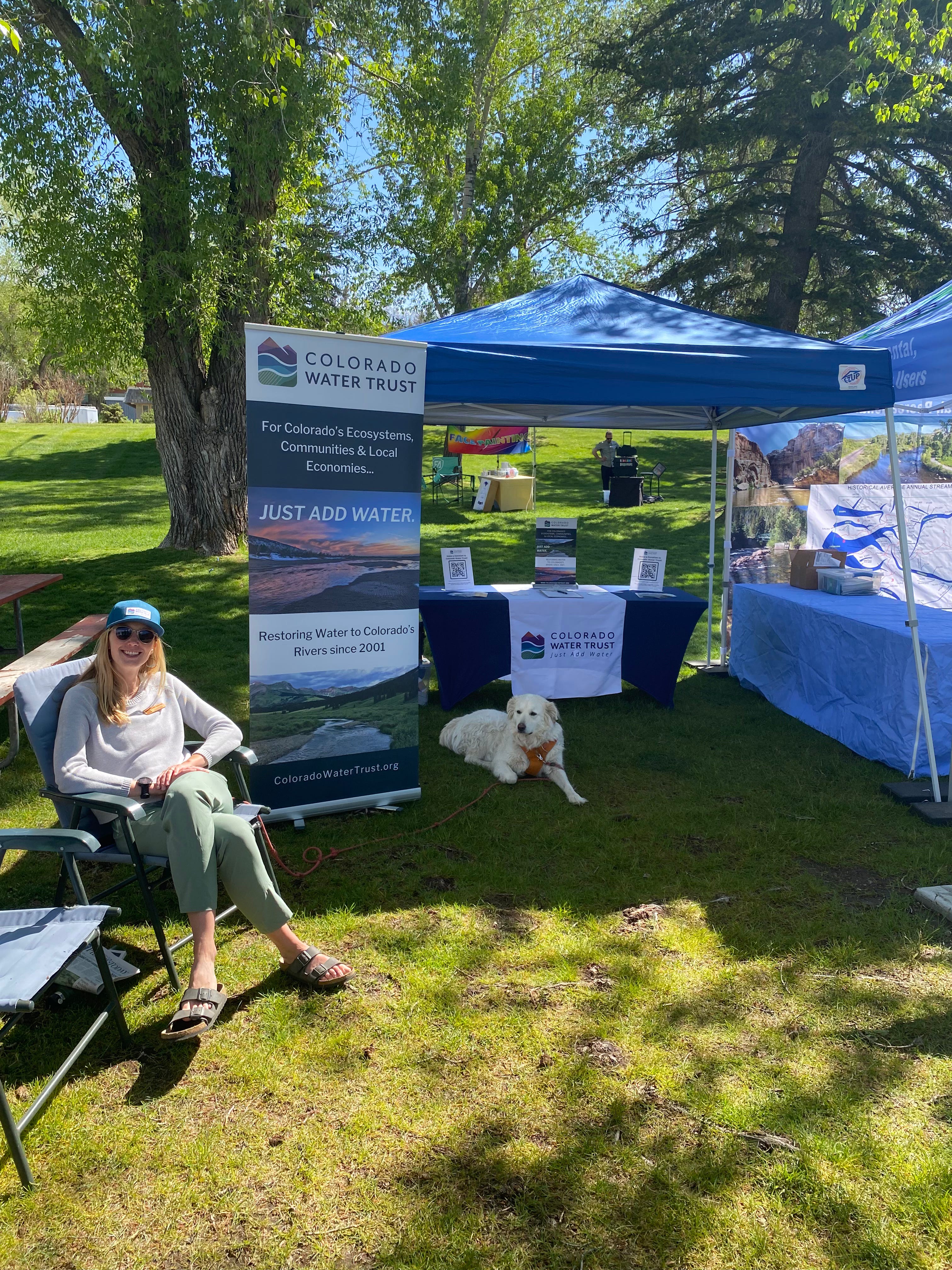
She described the initial tension that often shows up in those early conversations, and how the Water Trust tries to dissolve it quickly: they pay for the water they use, they’re transparent, and they’re explicit that they’re protecting a water right, not taking it away. That framing, she said, changes the relationship.
I asked Barrett what she wishes regular people, recreators especially, understood better about water. Her answer genuinely surprised me. Essentially every single drop of water in Colorado is already owned by somebody. All of it. There is actually more water allocated than has ever existed in the system. When you’re floating the Roaring Fork or watching a river run high after a storm, that water is on its way somewhere specific, pulled by someone with a legal right to it. It doesn’t just belong to the landscape.
She walked me through something I had personally never considered prior: a significant amount of what flows through the Arkansas River near the headwaters isn’t native to that watershed at all. Water gets pumped over the Continental Divide from places like the Roaring Fork basin into Turquoise Lake, then moves through the Lake Fork Creek into the Arkansas, where it’s eventually pulled out for communities along the Front Range. “You’re like, I’m at the headwaters of the Arkansas, look at this beautiful water,” she said, “and actually a ton of that water is literally from the other side of the Continental Divide.”
We talked about the drought, too, because it’s impossible not to right now and it’s why I was particularly excited to chat with her. 2026 is the driest year on record in Colorado and it feels dystopian to be wondering what is about to happen. Barrett was just at a water conference in Salida where state climatologists said plainly: we have not seen this before. Farmers and ranchers are deciding whether to plant at all, some are selling cattle because there simply won’t be enough water to support their operations, and utility companies are facing hard prioritization decisions. The 15-mile reach of the Colorado River near Palisade, home to a significant population of endangered fish, is running at a fraction of where it should be.
And yet Barrett isn’t despairing. “We’ve been planning for this for a long time,” she said, describing the sentiment she heard from water managers at the conference. “This is not an asteroid hitting us. This is something we’ve seen coming.” The scariness of this year, she thinks, might actually be the thing that finally makes people change behavior in ways they’ve been slow to adopt. More water sharing, more efficiency, and more willingness to do more with less is what will be required moving forward.
That kind of hope is something Barrett has had to be intentional about. She told me about a moment in a CC classroom, reading about mass extinction, when the author came to speak and Barrett asked how she stays hopeful. The answer wasn’t satisfying. Barrett decided then that despair couldn’t be her answer, that she’d have to find the hope somewhere else. She finds it now in the partners the Water Trust works with, in people who show up committed and collaborative across wildly different backgrounds, in the growing number of projects they’ve been able to complete. They started in 2001 with their first project taking five or six years to get off the ground. They now have 27.
“I think even like 20 or 50 to 100 years ago, people really treated rivers as dumping grounds,” she told me near the end of our conversation, and she meant it literally. In towns like Buena Vista and Salida, she said, the dump was right next to the river. Old cars, fires, trash. Rivers were fenced off from the public in some places. You couldn’t even get to them. A lot of older town layouts reflect that, which is why so many communities aren’t oriented toward their waterfronts the way newer development tends to be.
But in our lifetime, she said, something has shifted. Communities have started rallying around their rivers, building river parks and riverwalk paths, showing up to protect what’s there. People who love a place and are doing something about it because they love it.
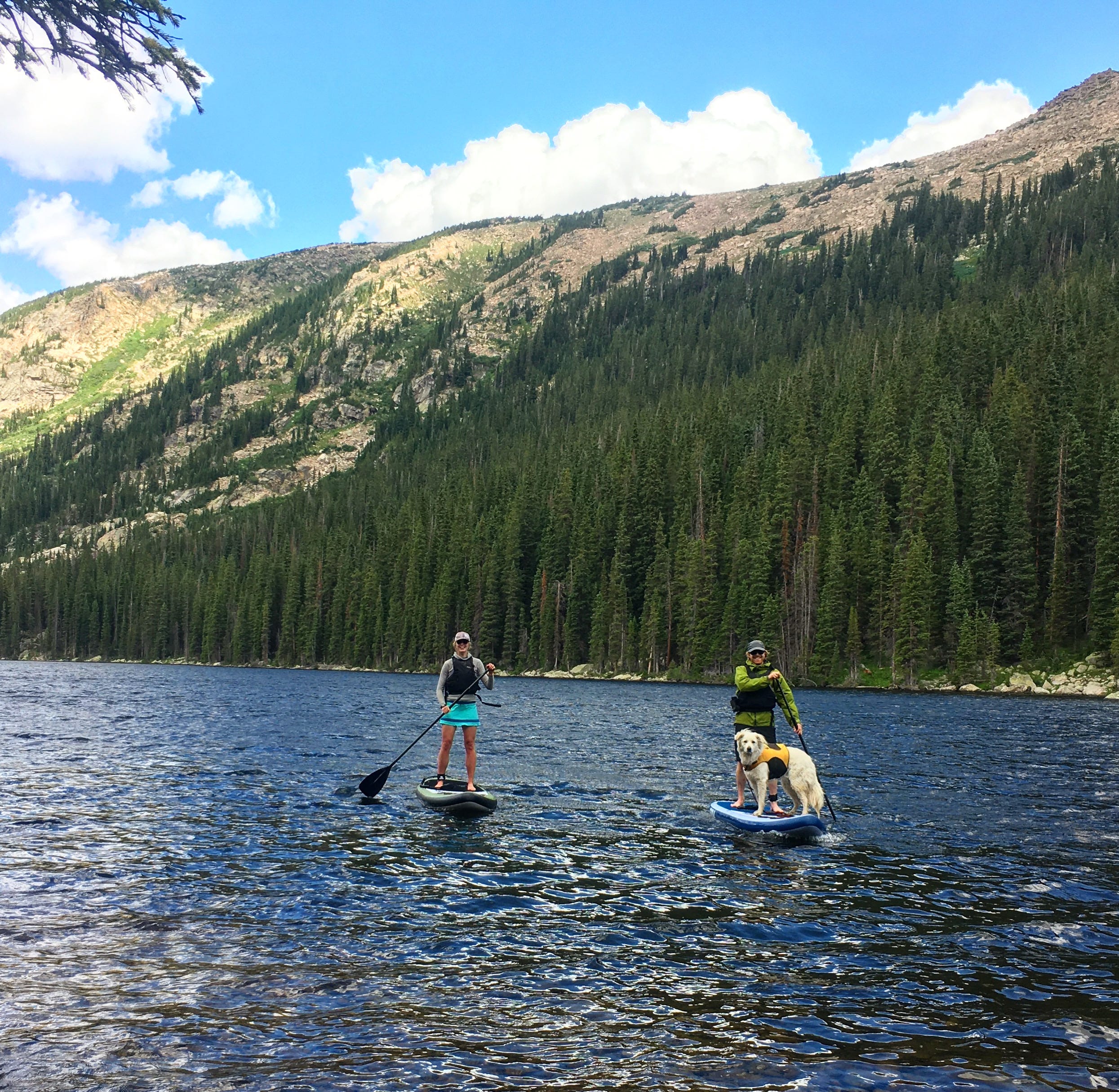
For Barrett personally, getting through the heavy parts looks like running the Arkansas River trails near her home in Buena Vista, her big dog splashing in the water, putting her hands in the river to feel the temperature. Grounding into the exact places she’s working so hard to protect.
“It’s a reminder of why we do it,” she said.
If Barrett’s work resonates with you, learn more about Colorado Water Trust at ColoradoWaterTrust.org and follow along on Instagram at @cowatertrust. They’re doing things worth knowing about!
Thank you, Barrett!!
 | A guest post by
|
Such a helpful and hopeful article! Barrett is an inspiration!
Great perspective on water and where it goes with every crop watered, every toilet flushed, or better yet, left in the stream!